
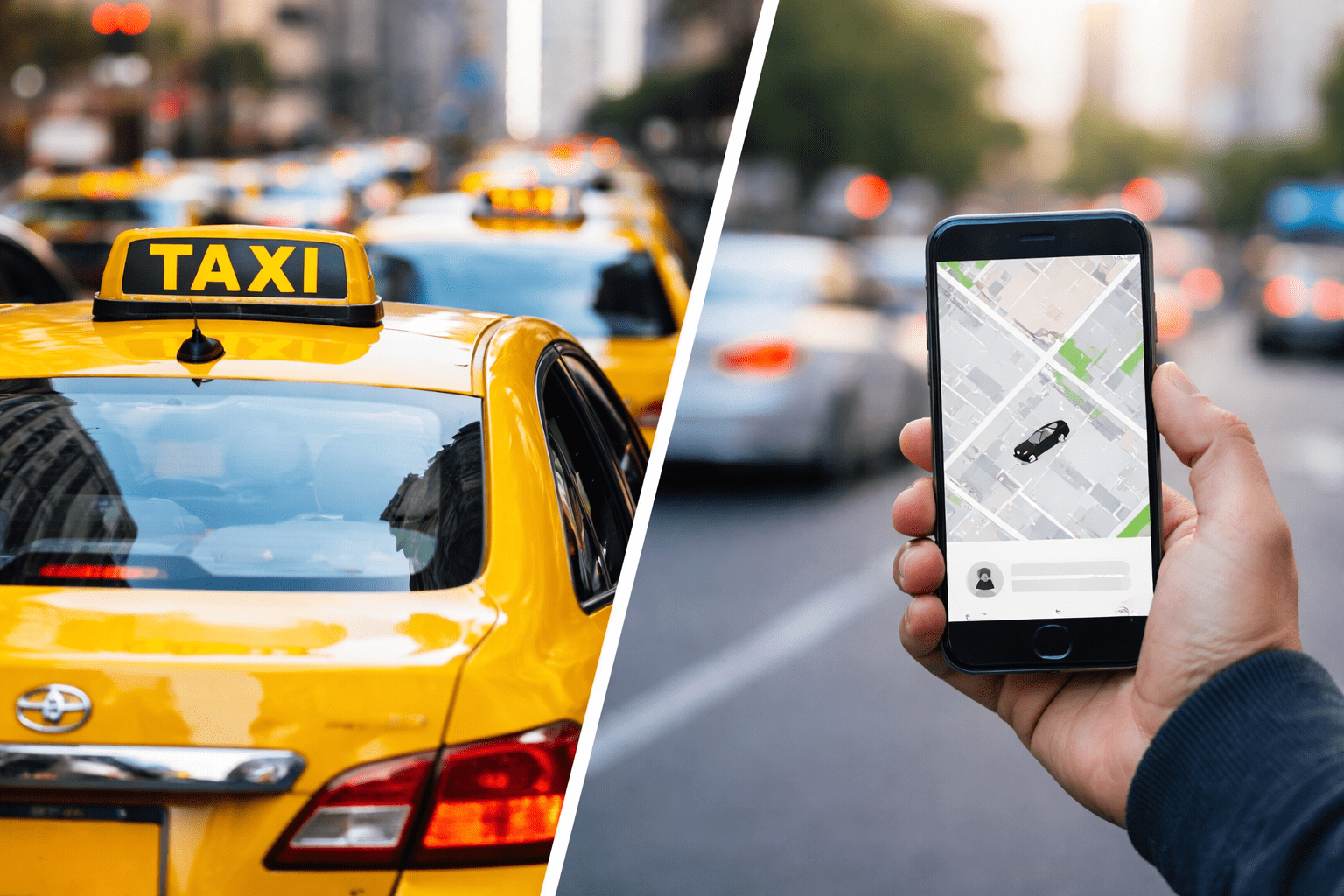
Why Most Taxi Businesses Fail and Uber Wins
The taxi business was once simple and predictable. You owned vehicles, hired drivers, set fixed prices, and waited for customers to call or wave from the roadside. For decades, this model worked well. But today, most traditional taxi businesses are struggling or shutting down, while Uber continues to grow across countries and cities. The reason is not luck. It is strategy, technology, and a deep understanding of customer behavior.
This article breaks down why most taxi businesses fail and why Uber wins, with clear lessons that any taxi or mobility business can learn and apply.
1. Taxi Businesses Ignore the Customer Experience
One of the biggest reasons taxi businesses fail is poor customer experience. Customers often face long waiting times, unclear pricing, rude driver behavior, and unreliable service. There is little transparency about arrival time, route, or final fare.
Uber changed this completely. From the moment a user opens the app, everything is clear. They know when the driver will arrive, how much the ride will cost, and how the trip is progressing. After the ride, they can rate the driver, creating accountability. In today’s market, customer experience is not a “nice to have” feature—it is the business itself.
2. No Technology, No Growth
Traditional taxi businesses still rely heavily on phone calls, manual dispatching, and outdated systems. This limits scale and efficiency. Without real-time tracking, automated payments, or smart route optimization, operations become slow and expensive.
Uber is a technology-first company. It uses GPS tracking, real-time data, AI-driven matching, and automated billing. This allows Uber to operate efficiently even with millions of daily rides. Any taxi business that avoids digital transformation is slowly moving toward failure.
3. Fixed Pricing vs Smart Pricing
Most taxi companies follow rigid pricing structures that do not adapt to demand. During peak hours, customers struggle to find rides, while drivers earn the same as off-peak hours. This creates frustration on both sides.
Uber introduced dynamic pricing, often called surge pricing. While controversial, it solves a real problem. Higher prices encourage more drivers to come online during busy times, ensuring availability. This balance of supply and demand is a major reason Uber wins where taxi businesses lose control.
4. Drivers Are Treated as Partners, Not Employees
Traditional taxi companies often treat drivers as replaceable labor. There is little incentive to perform better, offer clean vehicles, or provide polite service. This leads to low morale and high turnover.
Uber flipped this model by treating drivers as independent partners. Drivers can choose their working hours, see earning potential upfront, and get rewarded for high ratings. Incentives and performance-based earnings motivate drivers to deliver better service, which directly improves customer satisfaction.
5. Branding and Trust Matter More Than Ever
Many taxi businesses underestimate the power of branding. Their services look the same, feel the same, and offer no emotional connection. Customers choose them only when there is no alternative.
Uber invested heavily in brand trust. The app shows driver details, vehicle information, live location, and emergency features. This sense of safety and reliability makes users comfortable, especially in new cities. Strong branding turns first-time users into loyal customers.
6. Data-Driven Decisions Win Markets
Taxi businesses rarely use data beyond basic accounting. They do not analyze ride patterns, peak hours, customer preferences, or driver performance in depth. As a result, decisions are based on guesswork.
Uber runs on data. Every ride generates insights—popular routes, demand trends, pricing behavior, and service gaps. This data helps Uber optimize operations, launch new services, and enter new markets with confidence. In the modern mobility industry, data is power.
7. The Rise of the Uber Clone Model
As Uber proved the success of app-based ride-hailing, many businesses around the world started adopting the Uber clone model. Instead of reinventing the wheel, companies build platforms with similar core features and customize them for local markets.
This approach allows new taxi startups to launch faster, reduce development risk, and compete with global players using region-specific pricing, language, and regulations. However, success still depends on execution, service quality, and understanding local user needs.
8. Why App-Based Taxi Platforms Are the Future
The future of transportation is digital, on-demand, and customer-centric. People expect convenience, speed, and transparency in every service they use. Taxi businesses that remain offline or semi-digital will continue to lose relevance.
This is why Uber-like taxi app development has become a strategic move for modern taxi operators. It enables features such as online booking, cashless payments, driver ratings, real-time tracking, and automated dispatching—all essential for survival in today’s competitive market.
9. Lessons Taxi Businesses Must Learn Now
The success of Uber is not about one app or one idea. It is about mindset. Uber questioned every outdated assumption in the taxi industry and rebuilt the experience from scratch.
Taxi businesses that want to survive must:
- Put customers first
- Invest in modern taxi dispatch software
- Use data for smarter decisions
- Empower drivers
- Build trust through transparency
- Adapt quickly to market changes
Those who fail to evolve will continue to lose market share.
Final Thoughts
Most taxi businesses fail not because the market disappeared, but because they refused to change. Uber wins because it listens, adapts, and innovates continuously. The lesson is clear: transportation is no longer just about moving people—it is about delivering a seamless experience powered by technology.
Taxi businesses that learn from Uber’s success and act decisively still have a strong chance to win in this new era of ride-hailing.






0 Comments